Nowadays, more patients are choosing robotic joint replacement as a safer and more accurate option for treating severe knee and hip problems. With rising cases of arthritis, joint injuries, and lifestyle-related joint damage, people are now looking for treatments that offer better results and faster recovery. Robotic joint replacement has emerged as a preferred choice because it combines advanced technology with the surgeon’s expertise, leading to improved outcomes and higher patient satisfaction.
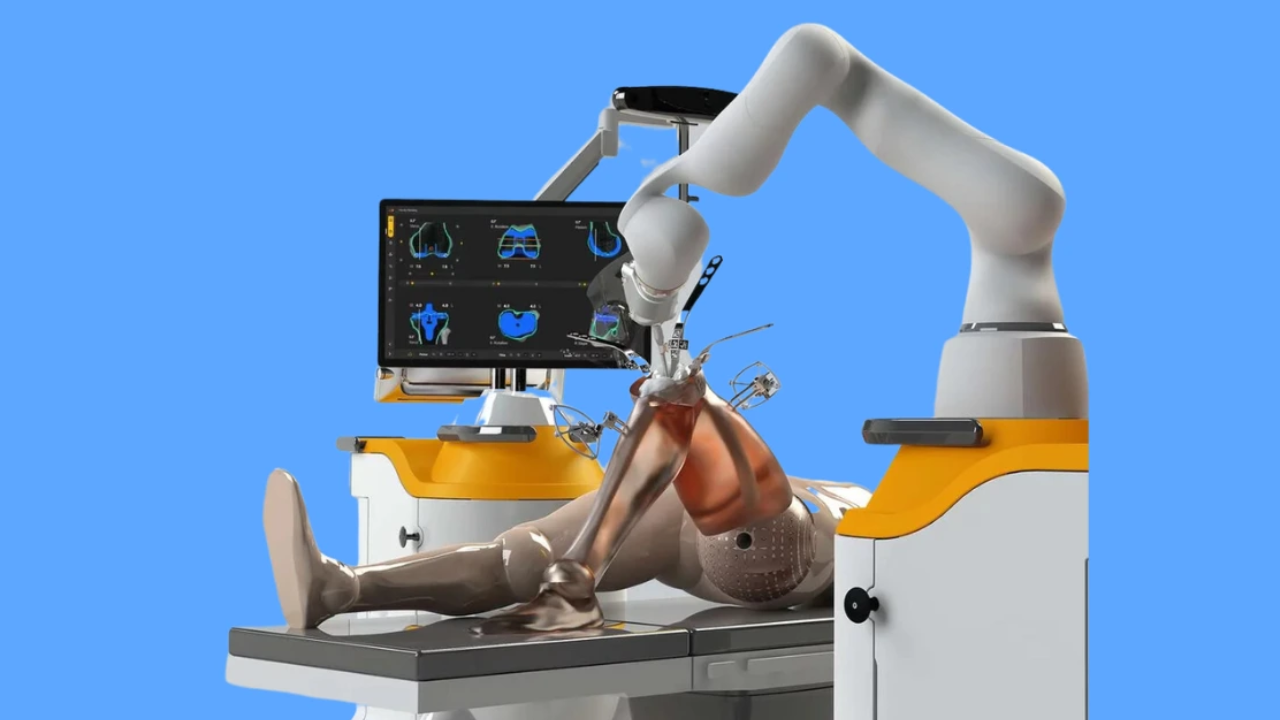
Robotic joint replacement is not a surgery done by a robot alone. The surgeon remains in full control, while the robotic system helps in planning and performing the surgery with high precision. Before the surgery, detailed scans of the joint are taken to create a personalised surgical plan. This allows the surgeon to understand the exact condition of the joint, bone structure, and alignment, ensuring accurate placement of the implant.
One of the main reasons patients are choosing robotic joint replacement in 2025 is improved accuracy. Even a small error in implant placement can affect movement and cause long-term discomfort. Robotic assistance helps place the implant in the correct position, which improves joint balance and movement. This precision often leads to better walking comfort and longer implant life.
Another major benefit is less damage to surrounding tissues. Traditional joint replacement surgeries may affect nearby muscles and soft tissues. Robotic technology allows the surgeon to work within a planned area, protecting healthy tissues. As a result, patients experience less pain after surgery and recover faster. Many patients are able to stand and walk earlier than expected.
Faster recovery is a big reason behind the growing popularity of robotic joint replacement. Reduced pain, less blood loss, and smaller surgical impact help patients return to daily activities sooner. This is especially helpful for working professionals and elderly patients who want a smooth and comfortable recovery process.
Patients are also choosing robotic joint replacement because of better long-term results. Proper alignment and balanced joint movement reduce the chances of implant wear and early failure. This means fewer complications and a lower risk of revision surgery in the future. For younger patients, this reliability is a major advantage.
Another factor driving demand in 2025 is increased awareness. Patients today are well-informed and actively search for advanced treatment options. Doctors now openly discuss robotic surgery benefits, making patients more confident in choosing this method. Hospitals have also improved access to robotic systems, making the technology more available than before.
Robotic joint replacement is also proving beneficial for complex cases such as severe deformities, obesity-related joint damage, and revision surgeries. The detailed planning and controlled execution help achieve better results even in challenging situations.
In 2025, robotic joint replacement represents a balance of technology and human skill. It offers accuracy, safety, faster recovery, and long-term comfort. As technology continues to improve, more patients are choosing robotic joint replacement to regain pain-free movement and improve their quality of life.