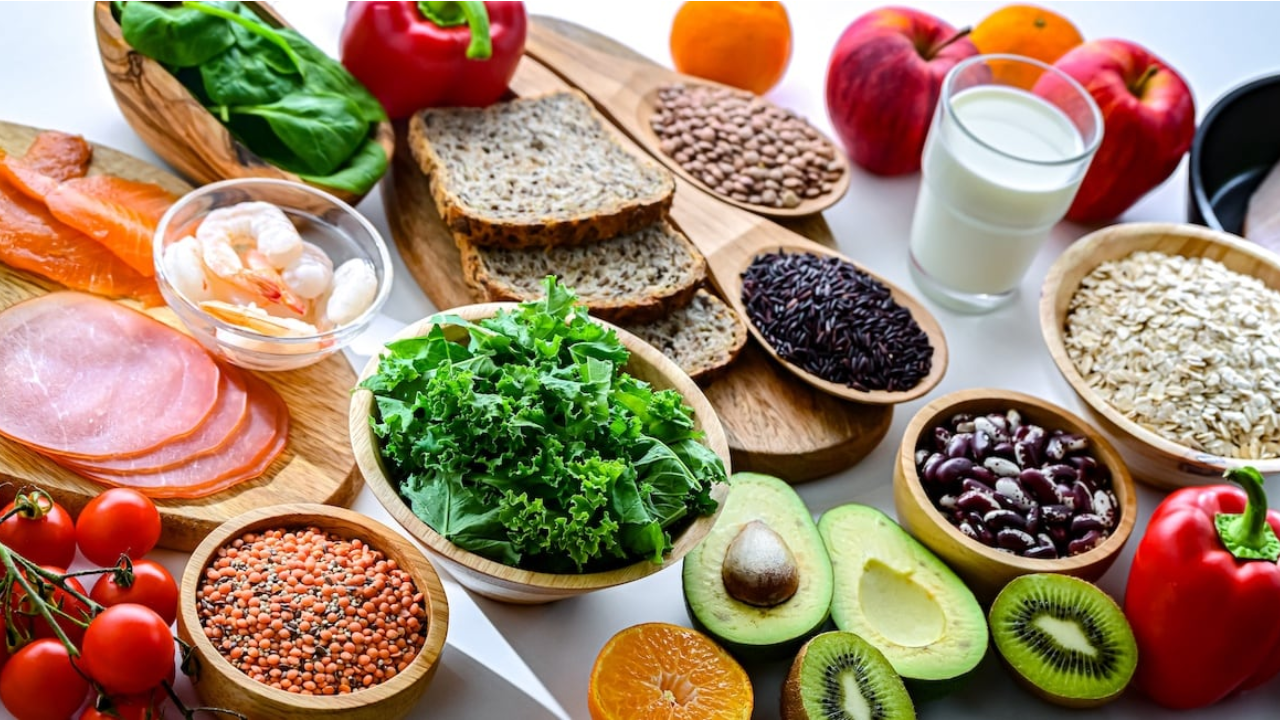
Many people blame Age, Workload, or Weather for Joint Pain, but often the real problem starts on the plate. What we eat every day plays a major role in joint health. A poor diet can slowly weaken joints, increase inflammation, and reduce bone strength. Over time, this leads to knee pain, stiffness, and difficulty in movement. Understanding the link between diet and joint health can help prevent long-term joint problems.
One of the biggest issues today is the high intake of processed and packaged foods. Items like chips, instant noodles, bakery products, sugary drinks, and fast food increase inflammation in the body. Inflammation directly affects joints, making them stiff and painful. Regular consumption of these foods also leads to weight gain, which puts extra pressure on the knees and hips. Even a small increase in body weight can significantly increase joint stress.
Lack of essential nutrients is another common problem. Calcium and Vitamin D are crucial for strong bones and healthy joints. Many people do not consume enough milk, curd, paneer, or fortified foods. At the same time, limited sunlight exposure leads to Vitamin D deficiency. Without these nutrients, bones become weak, and joints lose their natural support, increasing the risk of arthritis and injuries.
Excess sugar in the daily diet also harms joints. High sugar intake increases inflammation and damages collagen, which is important for joint flexibility. Soft drinks, sweets, desserts, and sweetened tea or coffee quietly add large amounts of sugar to the body. Over time, this weakens joint structures and increases pain.
Refined carbohydrates such as white bread, white rice, and bakery items can also worsen joint health. These foods raise blood sugar levels quickly and trigger inflammatory responses in the body. Replacing them with whole grains like brown rice, oats, and millets can help reduce joint inflammation.
Another overlooked factor is low protein intake. Protein helps repair muscles and tissues that support joints. Many people, especially vegetarians, do not consume enough protein. This leads to weak muscles, which increases pressure on joints and causes pain during movement.
On the positive side, a joint-friendly diet can protect and strengthen joints. Foods rich in omega-3 fatty acids, such as nuts, seeds, and fish, help reduce inflammation. Green leafy vegetables provide antioxidants that support joint health. Fruits like oranges, berries, and papaya help maintain healthy cartilage.
Hydration also matters. Drinking enough water keeps joints lubricated and prevents stiffness. Dehydration reduces the cushioning effect inside joints, making movement uncomfortable.
Your daily diet can either protect your joints or slowly damage them. Small changes like reducing processed foods, increasing nutrient-rich meals, getting enough sunlight, and maintaining a balanced diet can make a big difference. Healthy joints start with healthy eating, and the right food choices today can prevent joint pain tomorrow.